Ceasefire in the Middle East: Oil Drops Below $100, Mauritius Holds Its Breath
Following the announcement of a two-week ceasefire between Washington and Tehran, oil prices fall below $100 per barrel. In Port Louis, the Economic Committee of the Cabinet meets to anticipate the energy shock.
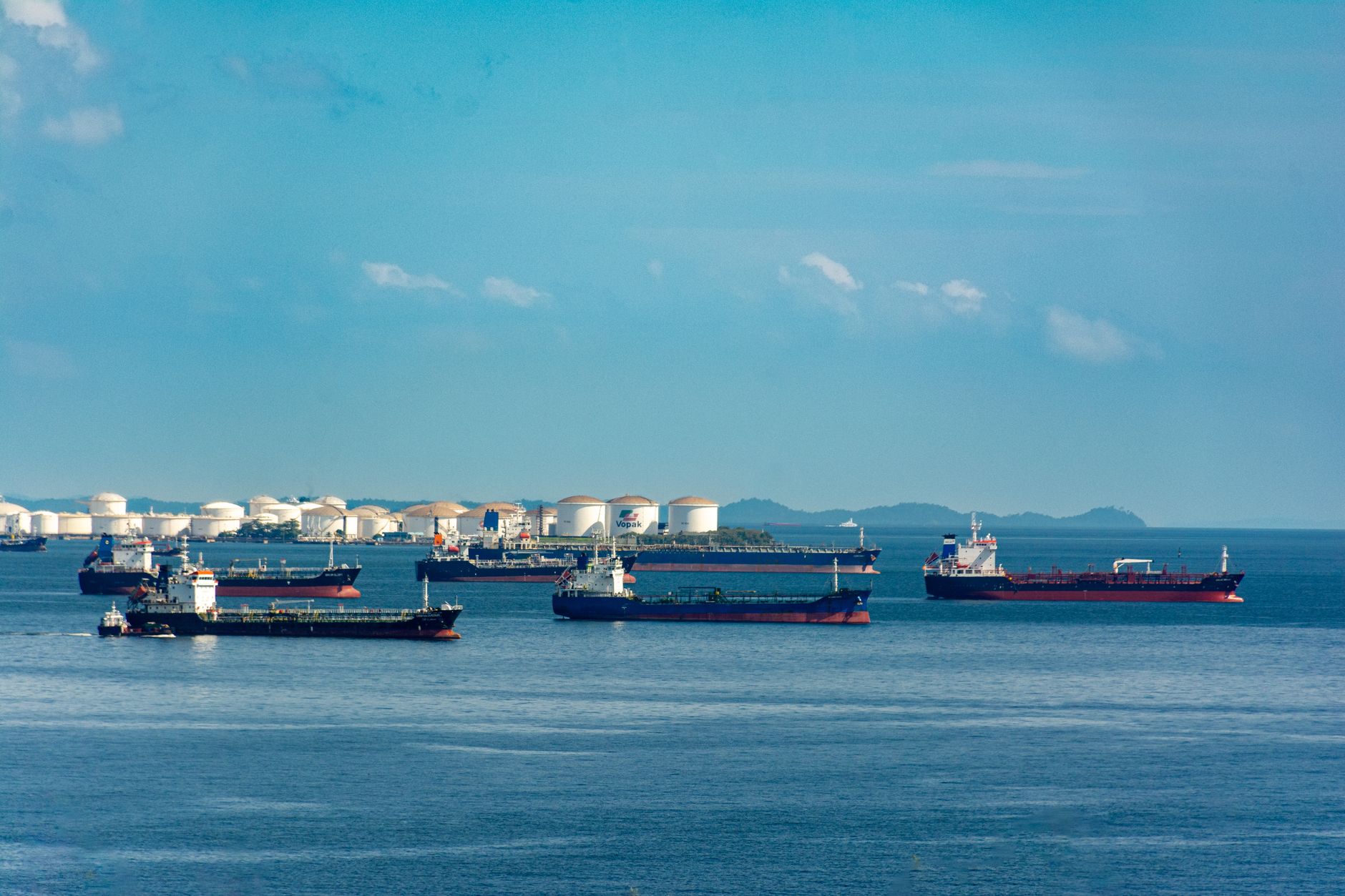
The respite was anticipated by the markets: oil prices collapsed and fell below the symbolic threshold of $100 per barrel, following the announcement of a ceasefire between the United States and Iran, reports Le Mauricien. The two countries agreed on a temporary truce of fourteen days, intended to pave the way for negotiations for a lasting cessation of hostilities.
The most tangible sign of this de-escalation is that the Strait of Hormuz is expected to resume the flow of hydrocarbons. This strategic passage, through which a significant portion of the world’s oil transits, had remained under tension for over a month amid the energy crisis, according to the same newspaper. Its reopening is crucial for all importing countries, including Mauritius.
Port Louis on Alert
Locally, vigilance remains essential. The Economic Committee of the Cabinet met under the presidency of Prime Minister Navin Ramgoolam at 3 PM, with an agenda dominated by the repercussions of the war in the Middle East, reports Le Mauricien. Even though U.S. President Donald Trump opted for a two-week ceasefire, the Mauritian executive does not intend to ease its monitoring: the volatility of prices can turn around in a matter of hours depending on the evolution of the conflict.
The stakes are structural for the island. Lacking fossil resources, Mauritius imports all of its fuels, and a large part of its electricity relies on fuels purchased abroad. Any spike in oil prices mechanically affects pump prices, transportation costs, and ultimately, the household budget. A ceasefire that causes prices to retreat thus offers a breath of fresh air, but government caution reflects the fear of a mere reprieve.
A Relief to Confirm
For the authorities, the equation is to take advantage of the calm without being caught off guard by a potential reversal. Securing supplies, assessing budgetary maneuvering margins, and calibrating potential buffers on domestic prices are among the considerations the economic committee must weigh.
This sequence highlights the fragility of a small island economy exposed to geopolitical upheavals taking place thousands of kilometers from its shores. The drop in oil prices below $100 is an immediate relief, but it remains contingent on the solidity of a fourteen-day ceasefire whose outcome is uncertain. For Mauritius, the real question is not so much today’s price but its ability to absorb the next shock—and to reduce, in the long term, its dependence on imported energy.

L’équipe éditoriale de ZotNews. Une rédaction indépendante qui vérifie et cite ses sources pour informer l’île Maurice.
Ne manquez rien de l'actualité mauricienne
L'essentiel de l'actualité mauricienne, chaque jour à 7h. Gratuit.