Stray Dogs and MV Apex Cattle: Mauritius Tested on Animal Protection and Biosecurity
With the offer of expertise from the International Animal Coalition on stray dogs and the arrival of cattle from the MV Apex, the island must demonstrate its ability to protect both animals and public health.
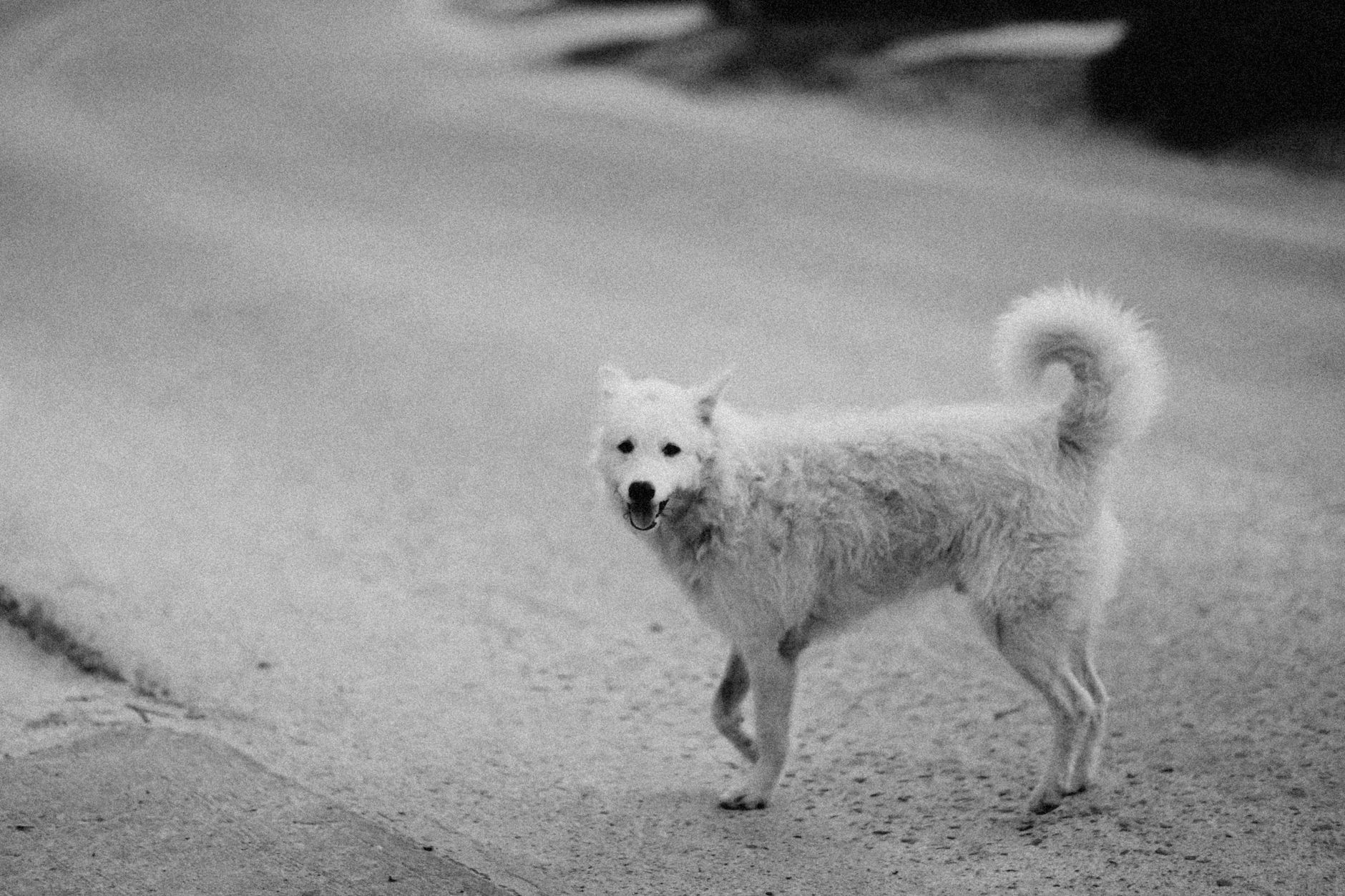
Two seemingly distinct issues are converging today towards the same question: Does Mauritius have the means to protect animal welfare while ensuring the health security of its population? On one side, the management of stray dogs, which has resurfaced with an outstretched hand from abroad. On the other, the disembarkation of cattle from the MV Apex, which opens a period of heightened surveillance. Two fronts, one common challenge of competence and resources.
Stray Dogs: Expertise Considered Insufficient
According to Le Mauricien, the International Animal Coalition (IAWPC) has once again offered its assistance to the Mauritian government. In a letter addressed on March 30 to Prime Minister Navin Ramgoolam, with a copy sent to the Minister of Agro-Industry, Food Security, Blue Economy, and Fisheries, Arvin Boolell, the organization’s president, Les Ward, reminds that the island does not possess, on its own, the expertise and knowledge necessary to sustainably manage the stray dog population.
This observation reignites an old debate in Mauritius, where the presence of ownerless dogs raises concerns regarding public health, safety, and animal welfare. The IAWPC’s proposal, presented as a collaborative offer, suggests that a purely local and ad-hoc approach would reach its limits and would benefit from relying on proven international methods.
MV Apex: The Start of a Vigilance Phase
At the same time, Défimédia reports that the disembarkation of cattle transported by the MV Apex marks the beginning of a new phase of health vigilance. The arrival of imported animals necessitates rigorous monitoring: veterinary checks, biosecurity measures, and surveillance aimed at eliminating any risk of disease introduction into the territory.
This stage serves as a reminder that the importation of cattle, essential for the island’s food supply, does not conclude with the ship’s docking. On the contrary, a sensitive period begins, during which authorities must demonstrate the robustness of their protocols to protect the local livestock and, by extension, consumers.
In perspective: Taken together, these two issues outline the same challenge for Mauritius, that of its institutional capacity to combine animal protection and public health. Whether by accepting external expertise on stray dogs or maintaining strict vigilance around imported cattle, the island is called to prove that its measures are not the result of improvisation, but of a sustainable and coordinated strategy.

L’équipe éditoriale de ZotNews. Une rédaction indépendante qui vérifie et cite ses sources pour informer l’île Maurice.
Ne manquez rien de l'actualité mauricienne
L'essentiel de l'actualité mauricienne, chaque jour à 7h. Gratuit.