Mauritius’ Oil Bill: A Heavy Burden on the Economy
The enormous cost of oil imports raises concerns about the local economy and the purchasing power of Mauritians.
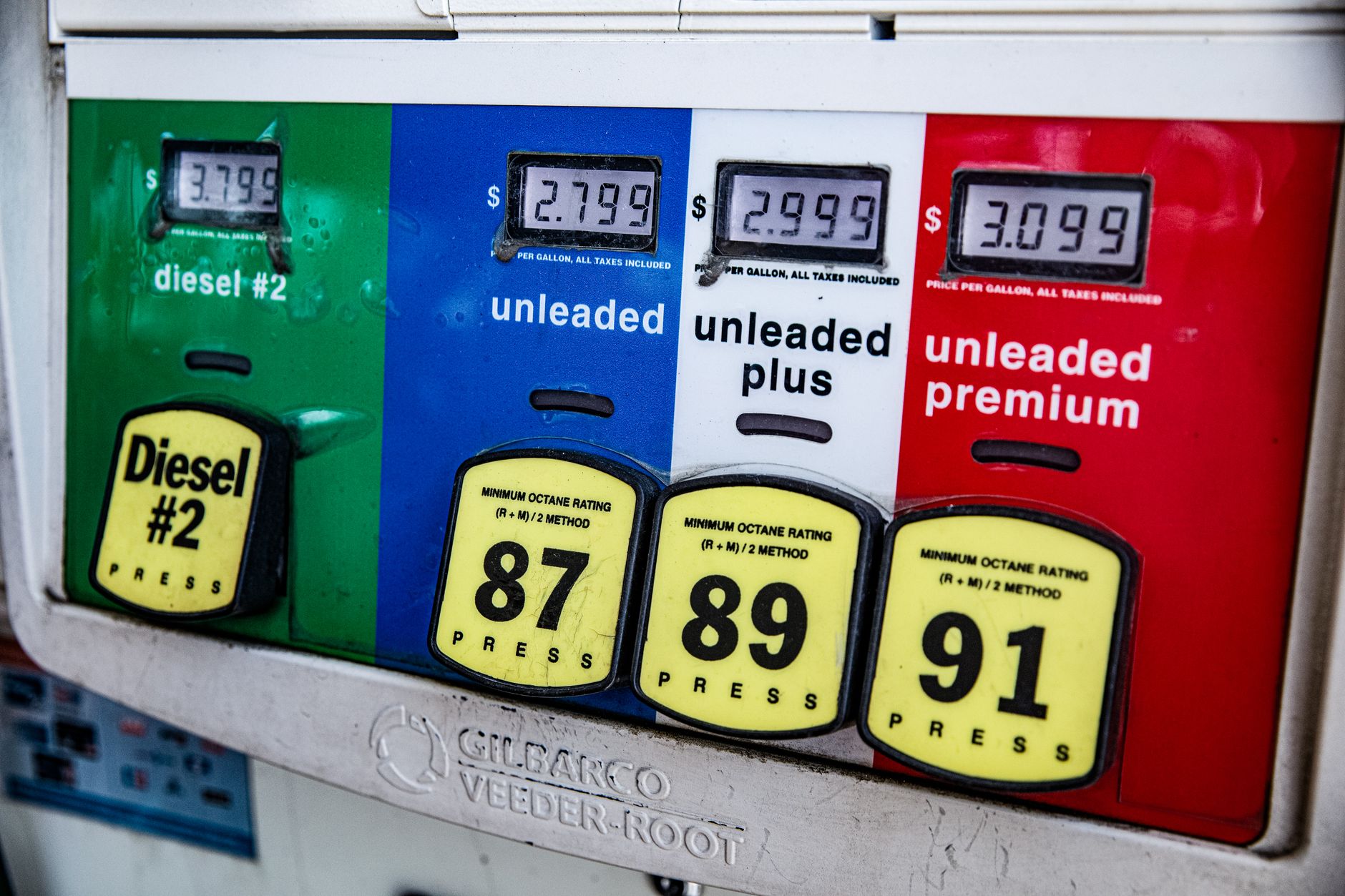
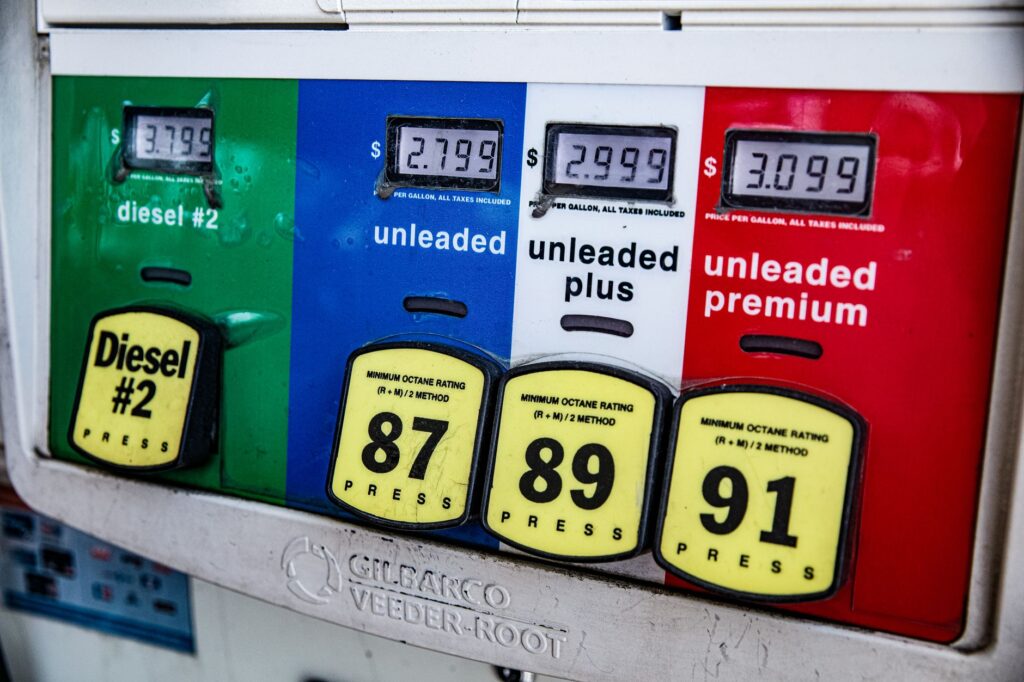
Mauritius’ oil bill has reached an impressive amount of Rs 50.65 billion in just six months, raising concerns about its repercussions on the national economy and the purchasing power of citizens. According to data provided by Défimédia, this high figure illustrates the challenges the country faces in terms of energy supply.
Oil imports, essential for the functioning of various sectors, including transport and industry, are increasingly straining public finances. Experts estimate that this rise in costs could lead to an increase in the prices of goods and services, which would directly affect the purchasing power of Mauritians.
Due to the country’s dependence on imported oil, any fluctuation in global market prices can have significant consequences on the local economy. The repercussions of this situation are even more concerning in a context where Mauritians are already feeling the pressure of inflation and rising living costs.
The Mauritian government faces a major challenge in managing this situation. Measures may be necessary to mitigate the impact of this oil bill on households, including through subsidies or other economic interventions. However, these measures must be carefully planned to avoid further deepening the budget deficit.
In summary, the enormous oil bill of Rs 50.65 billion in six months raises crucial questions about the economic sustainability of Mauritius and the ability of citizens to cope with ever-increasing costs. Authorities will need to act quickly to find viable solutions to preserve the economic well-being of the population.

L’équipe éditoriale de ZotNews. Une rédaction indépendante qui vérifie et cite ses sources pour informer l’île Maurice.
Ne manquez rien de l'actualité mauricienne
L'essentiel de l'actualité mauricienne, chaque jour à 7h. Gratuit.